My bank book and my joke book have one thing in common: both are full of old lines.
clever
158 puns · Last updated 2026-10-22
Printable, free for personal and classroom use. Includes every pun, the FAQ and a link back to this page.
Picture a coat pocket in 1943: a ration book, a few coins and a dog-eared joke book. During the war years, families and soldiers wanted cheap, portable laughter, and pocket paperbacks like that delivered it. This collection borrows the style, not the lines: vaudeville gags, radio banter, home front humor and a few porch-swing groaners. If you love books as much as jokes, our book puns are shelved nearby.
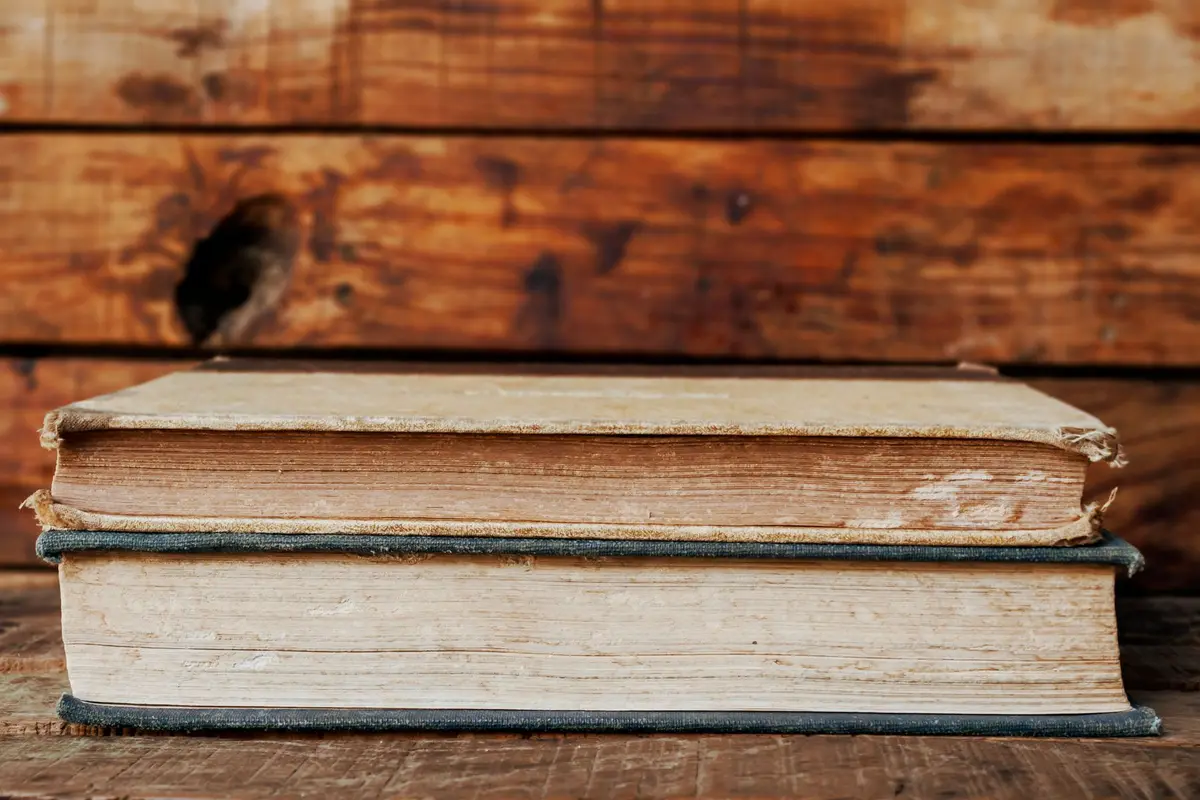
The front-page energy of a real 1940s joke book: fast setups and faster payoffs.
My bank book and my joke book have one thing in common: both are full of old lines.
I asked the grocer for a laugh. He said jokes were not rationed yet.
A nickel bought a joke book, a soda, and a smile in those days.
The funniest man in town owned two suits and a thousand jokes.
I carry my joke book in my coat pocket, right next to my last dime.
Grandpa's jokes are so old, they have their own ration stamps.
A good one-liner travels faster than a telegram.
She laughed so hard, her victory garden grew two inches.
I read my joke book on the streetcar and missed my stop twice.
Old jokes never die. They just get retold with better timing.
The joke book said: if you cannot laugh at yourself, I will do it for you.
Every family had a joke teller, a radio, and a favorite chair.
Comic strips, headlines and knock knock jokes were newsstand staples. Our book puns have a knock knock shelf of their own.
The newsstand sold papers, jokes and one very patient cat.
A nickel bought the funnies and a whole day of grins.
Dagwood built a sandwich so tall it needed a permit.
Dick Tracy had a yellow coat and a very serious chin.
The comic strip had four panels, three gags and one cliffhanger.
The newsboy shouted extra, extra, and the jokes read themselves.
Sunday funnies were the family's second breakfast.
The cartoonist's pen was mightier than the punch line.
Our paper boy delivers the news and unsolicited jokes.
Comic books in the 1940s cost a dime and weighed nothing.
Headlines may fade, but a good gag is forever.
Knock, knock. Who's there? Rita. Rita who? Rita good joke book lately?
Knock, knock. Who's there? Noah. Noah who? Noah good joke when you hear one.
Knock, knock. Who's there? Lettuce. Lettuce who? Lettuce read one more chapter of jokes.
Knock, knock. Who's there? Harry. Harry who? Harry up and open this joke book.
Knock, knock. Who's there? Olive. Olive who? Olive a good laugh from a vintage page.
Knock, knock. Who's there? Justin. Justin who? Justin time for one more joke.
Knock, knock. Who's there? Anita. Anita who? Anita new joke book for Christmas.
Knock, knock. Who's there? Luke. Luke who? Luke inside this book for a surprise laugh.
Knock, knock. Who's there? Dewey. Dewey who? Dewey have time for one more classic?
Vaudeville jokes were built for live rooms and instant laughs. These honor the comics who worked the circuit town after town.
The vaudeville comic bowed so low, his hat filed a complaint.
The juggler dropped everything except the attention of the audience.
Our singer hit a note so high, the chandelier asked for mercy.
The magician vanished, but his jokes stayed on stage all night.
I played the Palace once. The pigeons outside gave me a standing ovation.
The dog act got top billing. The dog earned it, too.
My tap shoes filed for overtime after the third encore.
Vaudeville rule one: leave them laughing, then leave the stage fast.
The ventriloquist's dummy got the best lines and none of the blame.
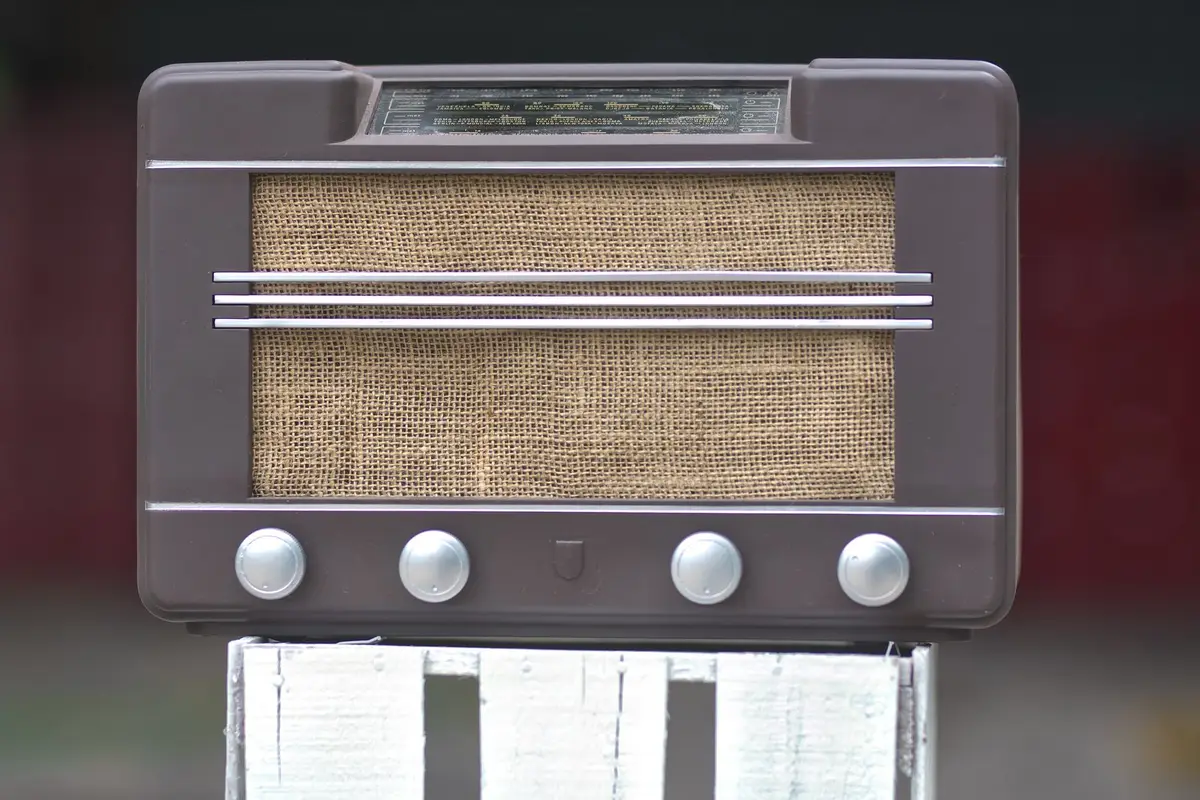
Our radio is so old, the jokes arrive with static and charm.
Jack Benny counted his laughs like he counted his money: carefully.
The radio comic paused so long, the sponsor sold three cars.
I laughed at the radio so loud, the neighbors tuned in through the wall.
Fred Allen could tease a senator and sell soap in the same breath.
The logic of Gracie Allen was so twisted, it made perfect sense by bedtime.
The sound effects man made rain, thunder, and one very confused cat.
Our family gathered around the radio like it was a warm stove.
Milton Berle borrowed jokes so fast, the writers asked for police protection.
A radio laugh travels coast to coast and lands in every kitchen.
The announcer said stay tuned, and grandma never left her chair again.
Bob Hope joked so fast on air, the microphones needed a rest.
What has a dial but never calls anyone? The family radio.
What can you hear but never see at supper time? The radio comedy hour.
What do you call a comedian with a pocket-sized book? A well-read gag man.
Why did the joke book get a promotion? It had great delivery.
What did the radio say to the television in 1948? Look, I am still funnier.
Why was the victory garden so funny? It had a lot of row jokes.
What did the telegram say to the letter? Short and sweet beats long and late.
Why did the comic carry a ladder? To climb to the top of the bill.
What does a streetcar say when it is late? Sorry, I lost track.
Why was the telephone operator so good at jokes? She always made the right connections.
Why did the sailor bring a joke book? To keep the crew afloat.
Wartime jokes carried the home front through rationing, blackouts and long waits for letters. For more history with a grin, try our history puns.
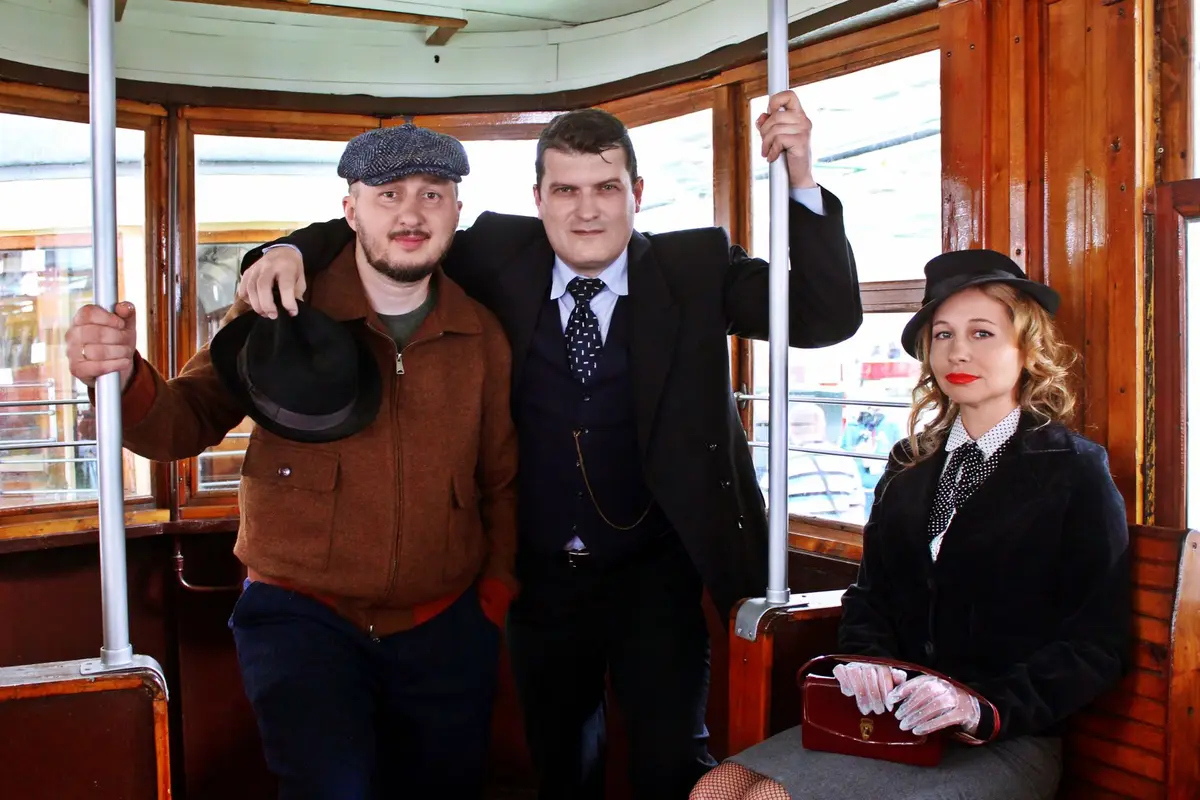
Our blackout curtains are so dark, even the jokes whisper.
The victory garden grew tomatoes, carrots, and neighborhood gossip.
Ration stamps taught us to count sugar and blessings with care.
Kilroy was here, and he left a joke on every wall.
The soldier's letter home had three jokes and one request: send socks.
Loose lips sink ships, but good jokes lift whole barracks.
Our scrap drive collected pots, pans, and dad's worst puns.
The USO show ended, but the laughter marched on for miles.
A Spam joke a day keeps the mess hall blues away.
The air raid warden said lights out, so we told jokes in the dark.
Gas rationing gave our Sunday drives a new name: sitting in the car.
Every home front hero knew the password: keep smiling, keep sharing.
Workday gags and soda fountain humor from the people who kept the home front running.
My boss runs the office like he is rationing smiles.
The typist typed so fast, the ribbon asked for a raise.
The landlord said the rent was due. My joke book said it was overdue.
The switchboard operator knew everybody's business and kept it connected.
Pay day was Friday. Spending day was Thursday.
My boss said work smarter. I said I would start tomorrow.
The office clock moved slowly, but lunch always arrived early.
Our telephone was a party line, and everyone was invited to the joke.
The filing cabinet held a lot of paper and a little mystery.
Overtime was paid in coffee and compliments.
The manager's door was always open, and so was his candy jar.
The soda jerk had two talents: fizz and gossip.
A malted milk and a joke book made a perfect afternoon.
The diner coffee was strong enough to read the headlines for you.
Drugstore counters served sodas, stamps and sensible advice.
A nickel for the jukebox, a cherry cola and a date at seven.
The blue plate special came with a free helping of groans.
Our diner waitress knew every order and every secret.
The pie was so good, the whole counter filed for seconds.
A three-cent stamp and a ten-cent soda made a fine afternoon.
Penny candy cost one cent and a thousand good memories.
Counter stools spin so the jokes can come from every direction.
Every dad jokes book descends from these coat-pocket classics, and a vintage joke book ages like good paper. For a newer take, try our dad jokes about math.
Dad's joke book is older than his favorite chair and twice as worn.
Why did dad bring his joke book to dinner? He heard it was a potluck of laughs.
Dad says his jokes are vintage. We say they are pre-owned humor.
Every dad joke book should come with a free groan warning.
Dad read one page and the whole porch started groaning in harmony.
The dad joke book is the family heirloom nobody admits to loving.
Why did the joke book follow dad everywhere? It knew he needed material.
Dad's timing is so old school, it still wears a pocket watch.
One dad joke a day keeps the eye rolls coming forever.
Grandpa's joke book has notes in the margins and coffee on page nine.
The best dad jokes book is the one dad refuses to lend out.
These jokes are so old, they remember when radio was new.
A vintage groaner is just a classic with extra dust.
I found a joke book in the attic and a laugh from 1943.
Old paper, new laughs: that is the vintage promise.
This groaner has been told at every family dinner since the war.
The vintage section proves grandpa was funny before it was cool.
Handle with care: these jokes are fragile and fully loaded.
A classic joke never expires. It just waits for a new audience.
The attic joke book still beats any modern app for charm.
One more vintage gem, and the whole porch is laughing again.
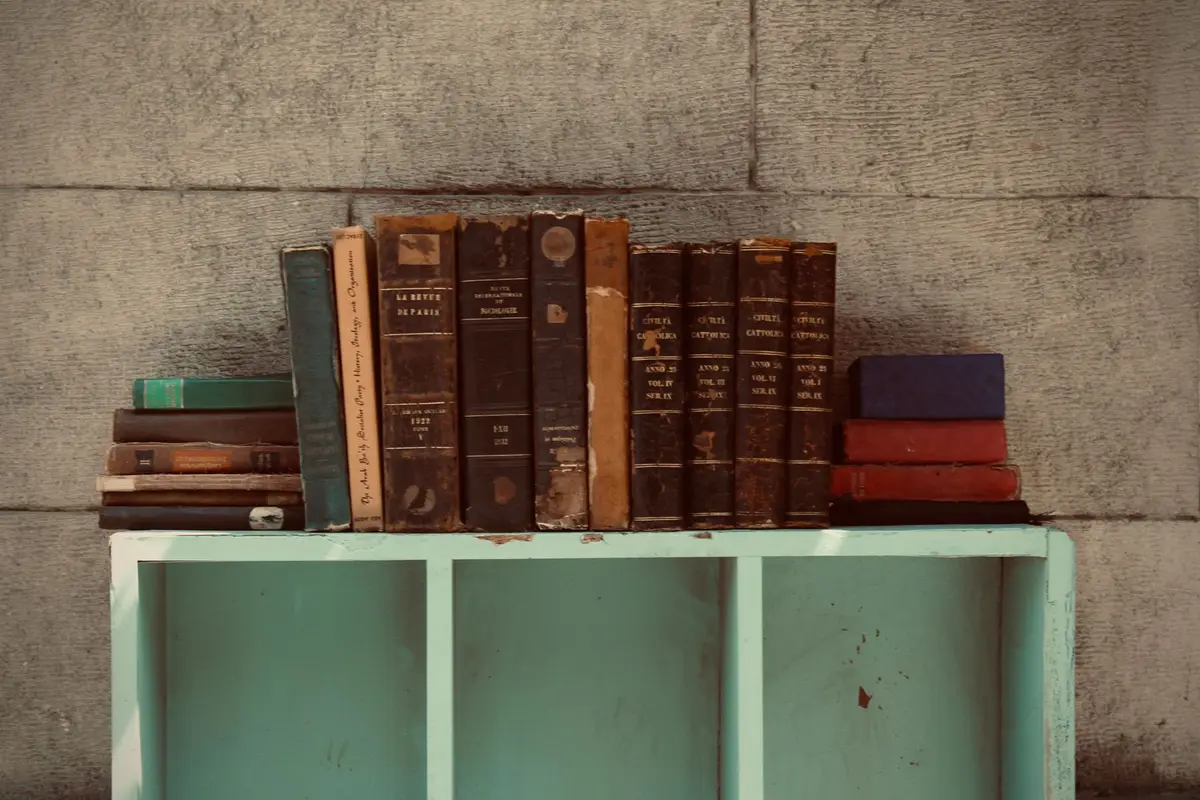
My favorite book is called 'Laughing Out Loud' by Ann Onymous.
The library joke shelf is always checked out and never returned on time.
I wrote a book on puns. The reviews called it a real page groaner.
The librarian shushed my joke book. Even the silence found it funny.
Chapter one of my joke book is called 'Warning: Dad Jokes Ahead.'
A book of jokes is the only book that laughs back at you.
My book club read a joke book and laughed through every agenda item.
The old book smelled of paper, dust, and a thousand laughs.
I judge a joke book by its cover and its first three pages.
Every great library hides one shelf that giggles.
Warm lines for the family table, the porch swing and every holiday on the calendar.
Christmas dinner in wartime: one small turkey and a very large family.
Grandma knitted socks, scarves and one very long story.
The family tree was full of aunts and fruitcake.
Santa's sleigh was rationed, so he borrowed a streetcar.
New Year's resolutions in 1945: more peace, more laughs, more sugar.
Thanksgiving grace was short. The jokes at the table were longer.
Fourth of July parades had marching bands and marching jokes.
Our Easter bonnet was a hat, a bow and a very proud smile.
The porch swing heard every family secret and every old joke.
Sunday supper was served with seconds of everything and thirds of stories.
The family album has more mustaches than anyone can count.
Animal jokes fill the back pages of every joke book. The elephant jokes here are a modern add-on, since that craze came later.
Why did the elephant bring a joke book? He never forgets a punchline.
How do you fit four elephants in a joke book? Two in the front jokes, two in the back.
Why did the lion buy a joke book? He wanted to be the mane attraction.
What did the cat comic say? I am not kitten around with these jokes.
Why did the chicken read a joke book? She wanted egg-cellent material.
The dog comic buried his best joke. He digs it up at every show.
Why did the owl love the joke book? Every joke was a hoot.
The bear comic paused for effect. It was a paws for laughter.
Every joke book saved a few zingers for the last page. Consider this the encore.
And that, folks, is the last laugh in the book.
If you did not laugh, the book offers a full refund of one groan.
Close the book, but keep the smile open all week.
The final joke is always the one you retell at breakfast.
Good night, good luck, and good laughter to you all.
This book ends here, but the jokes move in with your family.
One last zinger: the reader always gets the final laugh.
Tuck this book on the shelf. It will wait eighty years if needed.
The 1940s called: they want their laugh back, and it still works.
Thanks for reading. Tell these at dinner and thank us later.
Joke books are much older than the 1940s. Joe Miller's Jests appeared in 1739, and its name became shorthand for a stale joke.
The 1940s added radio stars, USO shows and cheap paperbacks, which carried jokes from the stage into every pocket. Bennett Cerf's 1944 anthology Try and Stop Me showed how big the appetite was.
If you like a darker shelf, our dark humor joke book carries the spooky side of the same tradition, and the full Sports, Hobby & School Puns hub holds the rest.
The language of the stage and the radio gave joke writers plenty to play with.
The voice is vintage, but the references are checked. Bob Hope, Jack Benny, Fred Allen, and Burns and Allen are real radio names, rationing and victory gardens were real wartime life, and the 'Joe Miller' joke book dates to 1739. We cut modern slang and lines borrowed from famous comics, and we labelled the animal section as a modern add-on, since the elephant joke craze arrived in the 1960s.
Written and reviewed by the Home Notes Editorial Team. Every line is original, read aloud before publishing, and kept family friendly. Last reviewed .
A 1940s joke book was a small, cheap paperback filled with short jokes, riddles and comic exchanges. Publishers sold them at newsstands and drugstores for pennies. Families read them aloud, soldiers carried them overseas, and comics mined them for fresh material.
The biggest comedy names of the 1940s were Bob Hope, Jack Benny, Milton Berle, Fred Allen, and the team of George Burns and Gracie Allen. Hope entertained troops on USO tours, Benny ruled radio, and Berle soon became 'Mr. Television.' Their timing shaped the jokes of the era.
Most pages mixed one-liners, knock knock jokes, riddles, shaggy dog stories and short dialogue scenes from vaudeville. Wartime books added rationing gags and blackout jokes. The style was clean, fast and made for reading aloud to a room.
Radio and wartime life created huge demand for fresh humor. Comics needed new material weekly, families wanted cheap fun during rationing, and soldiers wanted light reading in barracks. A pocket joke book cost little, weighed nothing and lifted spirits anywhere.
Bennett Cerf co-founded the publisher Random House and was a popular humorist. His anthology Try and Stop Me, published in 1944, collected funny stories and became a bestseller. He later became a familiar face as a panelist on the TV show What's My Line?
Joe Miller's Jests, first published in 1739, is the grandfather of English joke books. By the 1940s, calling a joke a 'Joe Miller' meant it was ancient and well worn. For an even older collection, meet the Greek Philogelos in our ancient history jokes.
Look in antique shops, estate sales, flea markets and online auctions, often for a few dollars. Libraries hold reprints, and digital archives scan many wartime editions for free. Check the binding first, since cheap wartime paper ages quickly.
400 Book Puns: Funny, Clever and Reader-Approved One-Liners
239 History Puns: Short, Clever and Classroom-Ready One-Liners for 2026
Ancient History Jokes: 155 Clean Lines From Pharaohs to Caesar
Dark Humor Joke Book 2026 (Updated): 120 Lines That Actually Land
Dad Jokes About Math 2026 (Updated): 100 Lines That Actually Land
← Back to all Sports, Hobby & School Puns